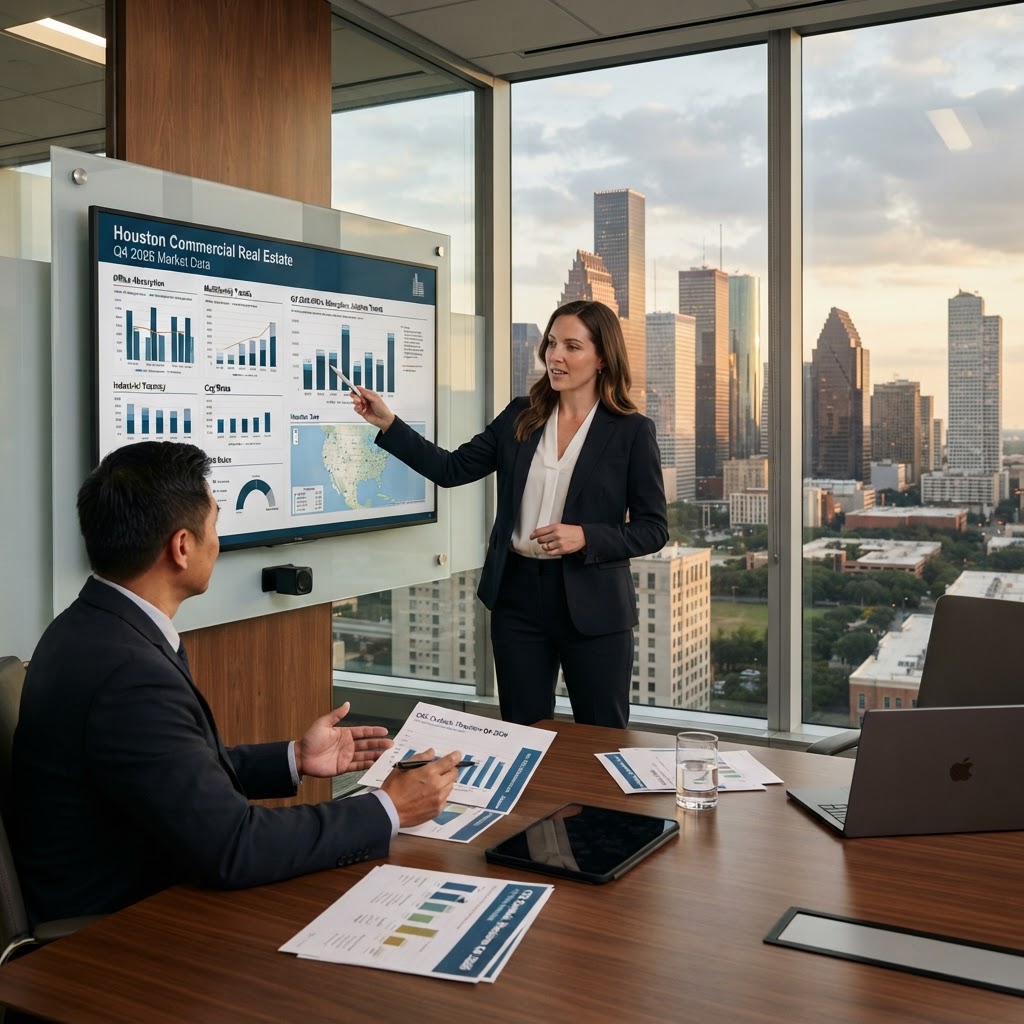
As the calendar turns toward the final months of 2026, the commercial landscape in Houston is undergoing a fascinating evolution. Rather than focusing on simple growth metrics, we are observing a sophisticated recalibration of asset utility. The Houston skyline today reflects a city that has effectively decoupled its economic identity from the singular reliance on global energy volatility. Instead, the current momentum is fueled by a synergy of aerospace innovation, life sciences integration, and advanced manufacturing sectors. Investors who are succeeding in this environment are those who view the city not through the lens of traditional speculation, but through a prism of long term infrastructure durability and adaptive asset utility. This shift is reshaping how capital flows into key zones from River Oaks to the Energy Corridor. Understanding these underlying metrics is essential for any professional looking to solidify their commercial holdings. As we prepare for the 2027 fiscal cycle, the decisions executed today regarding lease structures and capital improvements will define the stability of your entire portfolio. ## Macroeconomic Resilience and Asset Optimization In late 2026, the Houston labor market continues to display robust health, particularly within the professional and business services verticals. Regional employment data indicates a consistent annual growth rate of 2.4 percent, which remains a key differentiator compared to national performance benchmarks. For owners of commercial real estate, this growth is a positive signal for future tenant retention, provided the physical assets meet the elevated expectations of modern enterprises. The energy sector remains a foundational element, yet it is now bolstered by significant institutional investments flowing into the Texas Medical Center and our emerging technology hubs. While borrowing costs are no longer at the historic lows seen in the early 2020s, they have reached a plateau that allows for more predictable financial modeling. This environment has necessitated a shift in cap rate expectations, particularly for prime Class A properties. Savvy investors are moving away from the pursuit of rapid valuation appreciation, choosing instead to emphasize cash flow stability and structural longevity. Those maintaining liquidity are finding unique opportunities to deploy capital into assets that have been historically overlooked. ## The Rise of Hybrid Commercial Hubs The traditional office model is experiencing a permanent metamorphosis. Throughout neighborhoods like The Heights and Montrose, we are tracking a surge in boutique, hybrid use hubs. These structures offer a blend of professional office suites, curated retail spaces, and wellness amenities, creating a seamless experience for a workforce that demands integration between their professional duties and personal wellbeing. Data shows that older office inventory, which has not undergone modernization, continues to face challenges, with vacancy rates hovering near 22 percent. This segment represents a significant area for value added development and adaptive reuse. Developers who focus on reconfiguring these spaces to accommodate flexible work styles are finding success where traditional models fail. Meanwhile, the industrial sector persists as the bedrock of the Houston market. The I 10 corridor remains the primary focal point for logistics, where modern supply chain requirements drive demand for high specification facilities. We currently observe a median pricing of 145 dollars per square foot for modern industrial inventory. This sector is characterized by its long term lease structures and stable occupancy rates, making it a defensive pillar for institutional portfolios during uncertain economic times. As supply chains continue to restructure globally, Houston is positioned to benefit from its strategic geographic advantage and port access, ensuring that industrial assets remain a high priority for investors through 2027. ## Navigating Deed Restrictions and Hidden Value Beyond the standard metrics of supply and demand, there exists a niche category of properties in Houston often referred to as ghost assets. These are properties where potential value is effectively trapped behind outdated or overly restrictive deed covenants. In many of our older submarkets, these legal layers prevent owners from optimizing land use or capitalizing on current market demand. Discerning investors are now working with legal and advisory teams to identify these restrictive barriers and explore pathways for modification. By unlocking these constraints, properties that were previously underperforming can be repositioned to reflect their highest and best use, resulting in substantial gains for those who perform the necessary due diligence. This level of active management requires a deep familiarity with local regulatory environments and a willingness to invest time in the planning phase, but the competitive advantage provided by these repositioned assets is considerable in the current market cycle. ## Strategic Advisory for the 2027 Horizon Looking ahead to 2027, the focus for commercial stakeholders must remain on operational efficiency. The integration of data analytics into asset management is no longer an optional advantage, it is a requirement for maintaining margins. By analyzing granular data points like foot traffic, energy consumption profiles, and tenant turnover rates, owners can make proactive adjustments to their portfolios. Whether you are managing industrial warehouses, medical office space, or hybrid retail hubs, the ability to pivot based on predictive modeling will differentiate the market leaders from those who remain stagnant. We encourage all stakeholders to evaluate their current holdings against the broader shifts we are witnessing in the Houston metropolitan area. Success in 2027 will not be found in broad market trends alone, but in the precise execution of strategy within specific corridors. From analyzing lease expirations to evaluating the cost of capital improvements, every detail matters in the current landscape. We remain committed to helping our clients navigate these complexities by providing the market intelligence necessary to make informed investment decisions. By Nick Chambers, Broker Associate, Nick Chambers, Broker Associate, Realty Of America (ROA) · Realty of America Book a strategy call with our advisory team to discuss your commercial portfolio goals for 2027.
Explore More from Nick Chambers, Broker Associate, Realty Of America (ROA)
Houston Home Selling Strategy
Strategic pricing & net-proceeds analysis
Learn moreHouston Buyer Representation
Off-market access & expert negotiation
Learn moreHouston Investment Properties
Cap rate analysis & portfolio roadmapping
Learn moreHouston Relocation Services
Corporate, medical & executive moves
Learn moreChambers Institute Classes
CE courses & buyer/seller workshops
Learn moreYour Personal Pricing Review
What your home is worth now, with the data behind it
Learn moreHouston Property Search
Live listings, open houses and sold comparables
Learn more