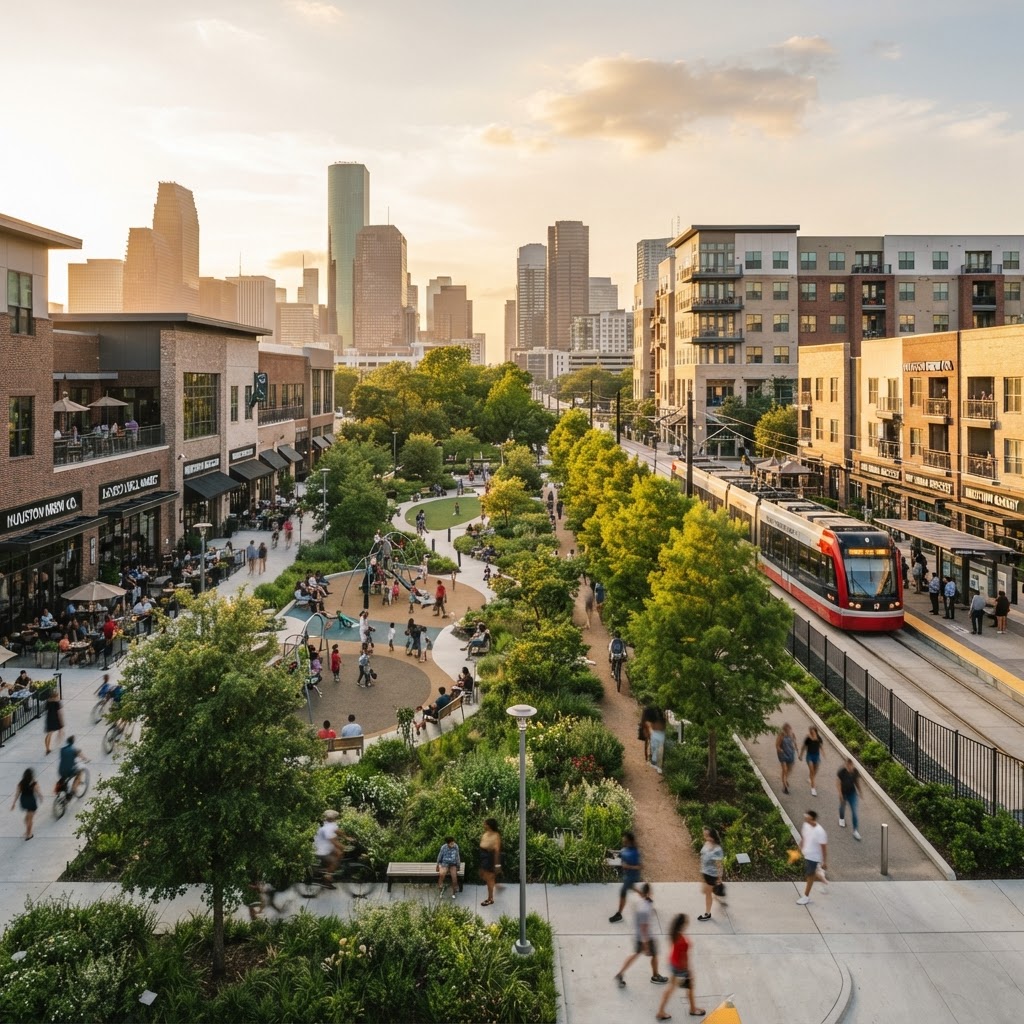
The architecture of Houston real estate in 2027 is fundamentally shifting. We are moving away from the sprawling designs of the past and toward a model of concentrated, transit connected urban centers. For those looking to secure assets in this market, the logic behind property valuation has evolved. It is no longer just about square footage or lot size, but rather about the proximity to the city core and the efficiency of the local commute. As an analyst with Realty of America, I have observed that properties located within walking distance of high capacity transit nodes are currently displaying a resilience that suburban counterparts struggle to match. This transformation is driven by a new class of professional who prioritizes time, accessibility, and the integration of lifestyle services. Technology and medical sector employees are particularly keen on reducing vehicle dependency, which has turned transit corridors into the most aggressive growth sectors in the city. When we analyze the data, we see that homes situated within a half mile of major transit hubs are commanding premiums between 8 to 12% over similar properties in areas with less connectivity. This is not a temporary trend, but rather a structural change in how Houstonians perceive value. In neighborhoods like The Heights and Montrose, the demand for inventory is persistent. Buyers are competing for a limited supply of homes that offer immediate access to retail, dining, and public transit. For those interested in the specific performance metrics of these zones, I recommend reviewing our latest deep dives into The Heights 2027 Market Report and our Montrose Living 2027 Analysis. These documents provide the localized data necessary to understand why these specific pockets are outperforming the broader municipal average. Beyond residential living, there is a significant opportunity in adaptive reuse. As transit infrastructure expands, many forgotten industrial spaces are being reimagined as high density, mixed use facilities. Savvy investors are identifying these corridors before the full scope of city planning is realized, effectively buying into the value increase before it is fully baked into the tax assessments. This strategy requires patience and foresight, but it offers a path to wealth building that speculative residential purchases simply cannot provide. The velocity of these markets is also striking. While the average Houston home might linger on the market for 48 days, transit adjacent assets are moving in 34 days. This speed is a clear signal that a motivated, liquidity conscious demographic is driving the market. For the portfolio manager, this reduces holding costs and improves the reliability of return on investment. Furthermore, we are seeing institutional capital moving into these same corridors. When major institutional portfolios align with municipal infrastructure plans, it creates a floor for market value that independent investors can leverage to hedge against broader economic volatility. While the prestige of areas like River Oaks remains constant, the modern investor is looking for the intersection of convenience and future capacity. The shift toward transit oriented development is the fundamental engine powering Houston. Understanding this engine is your best defense against market uncertainty and your strongest tool for long term appreciation. As we look ahead, the ability to anticipate how these nodes evolve will separate the successful investor from the passive bystander. To succeed in 2027, you must align your strategy with the city's infrastructure roadmap. By Nick Chambers, Broker Associate, Realty Of America (ROA) · Realty of America. If you are ready to explore investment opportunities in these high growth corridors, contact the Realty of America team today to discuss a strategy tailored to your financial goals.
Explore More from Nick Chambers, Broker Associate, Realty Of America (ROA)
Houston Home Selling Strategy
Strategic pricing & net-proceeds analysis
Learn moreHouston Buyer Representation
Off-market access & expert negotiation
Learn moreHouston Investment Properties
Cap rate analysis & portfolio roadmapping
Learn moreHouston Relocation Services
Corporate, medical & executive moves
Learn moreChambers Institute Classes
CE courses & buyer/seller workshops
Learn moreRelated Articles

Houston’s Micro-Neighborhoods: The New Vanguard of 2027 Urban Living
Explore why adaptive reuse in Houston's Near Northside is the premier strategy for 2027 property investors seeking resilience and long term growth potential.
Read article
Houston’s Hidden Gems: 2027 Top Neighborhoods for Capital Growth
Discover how decentralized service hubs and transit connectivity are driving capital growth in Houston. A 2027 guide for strategic real estate investors.
Read article
Houston’s Micro-Neighborhoods: The 2027 Shift in Urban Living
Discover the shift toward precision micro nodes in the 2027 Houston market. Learn how infrastructure and lifestyle density drive long term property value and equity.
Read article