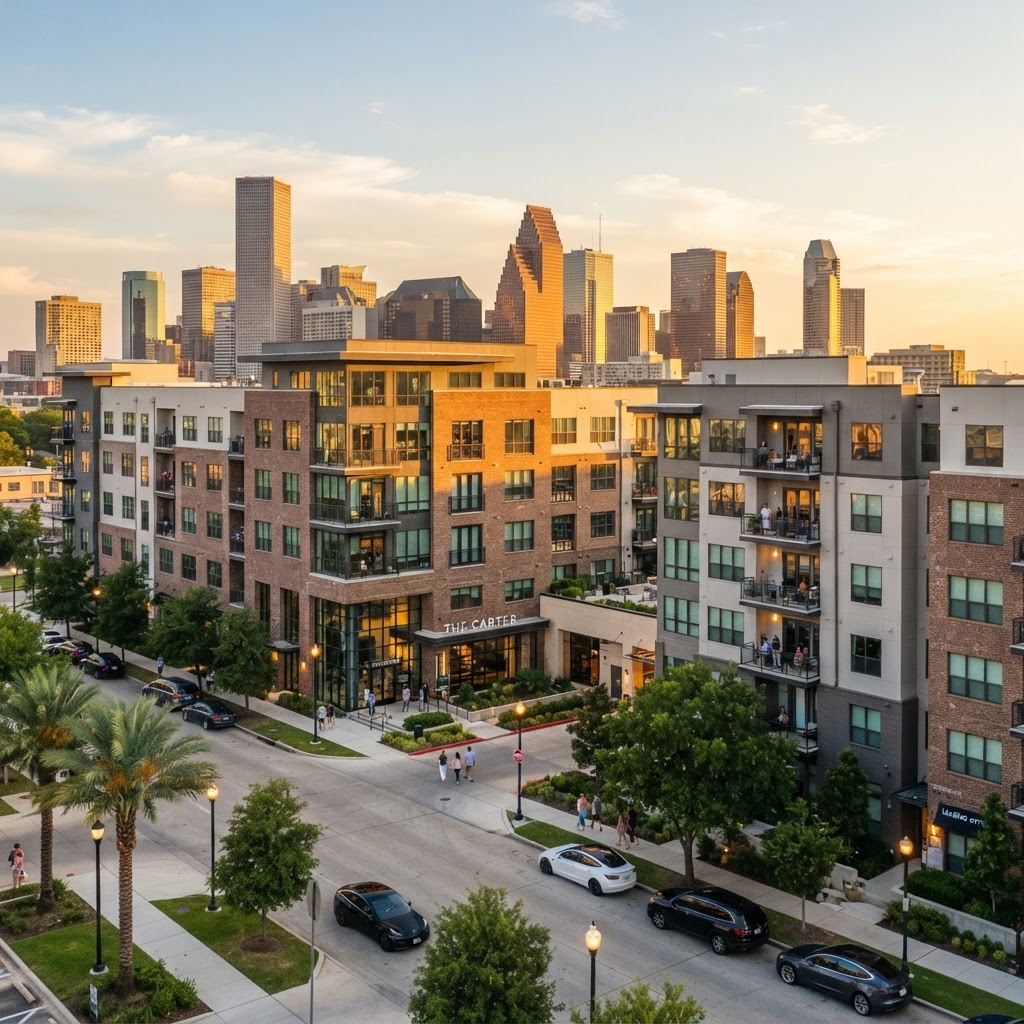
The Houston real estate market is transitioning from a period of intense volatility to a phase of strategic wealth accumulation. As investors prepare their capital allocations for 2027, the focus is shifting away from speculative appreciation and toward the bedrock of financial stability, which is sustained rental yield. While the Bayou City continues to evolve, the core fundamentals that drive property performance remain consistent, provided that investors utilize precise data to identify long term growth markers. This article explores how to reorient your Houston investment strategy to capitalize on emerging market dynamics while maintaining rigid control over your bottom line. We will examine the metrics that matter, the neighborhoods showing sustainable demand, and the operational adjustments required to thrive in the upcoming fiscal cycle. In late 2026, the local landscape shifted toward a more balanced environment. Median home prices leveled off near 365,000 dollars, and inventory levels reached a healthy equilibrium of approximately 3.8 months of supply. Days on market have adjusted to a range of 48 to 52 days, offering investors a critical window for deep analysis. This period of normalization is not a sign of stagnation but rather a refined opportunity to deploy capital with higher accuracy. By focusing on predictive modeling, investors can move beyond surface level market trends to understand the underlying drivers of tenant demand. The key to successful acquisition lies in correlating job growth with specific housing corridors. The energy transition sector and the expanding tech footprint within the Medical Center and the Innovation District are creating unique pockets of high velocity demand. When evaluating potential acquisitions, look for areas where the density of high earning professionals is outpacing the current supply of high quality rentals. Neighborhoods like The Heights and Montrose continue to serve as excellent case studies. These areas demonstrate how proximity to employment hubs acts as a hedge against broader economic fluctuations. Rather than speculating on rapid price increases, the modern investor should focus on rental floors established by the influx of workforce professionals who prioritize lifestyle and commute efficiency. By analyzing transit patterns and future infrastructure investments, you can identify blocks that are positioned for steady rent escalation over the next 3 to 4 years. Operational excellence is the secondary pillar of a successful portfolio. In a high tax environment like Texas, the management of operating expenses dictates the margin of safety for every asset. I recommend implementing a proactive capital expenditure program that transitions your property from a reactive repair cycle to a scheduled maintenance model. This shift prevents minor issues from snowballing into significant capital losses that degrade your net operating income. Furthermore, professional property tax management is an essential component of your strategy. Partnering with a firm that specializes in challenging annual appraisals is not merely a task, it is a primary revenue preservation strategy. Texas property taxes are often the single largest annual expense for an investor, and neglecting this area is a direct drain on your investment return. The 2027 investor must also embrace the rise of alternative asset classes, such as the conversion of underutilized commercial spaces into boutique rentals. As urban cores consolidate, the demand for adaptable, high quality living spaces increases, offering a unique opportunity to secure yields that traditional single family assets cannot match. My podcast, The Chambers Review, recently examined how savvy investors are navigating the shift toward micro apartments, highlighting the importance of zoning knowledge and local regulatory support. Securing your future in Houston requires a departure from traditional, broad market strategies. It demands a focus on granular data, local expertise, and a disciplined approach to asset management. Whether you are expanding an existing portfolio or entering the Houston market for the first time, your success will depend on your ability to interpret data and act with confidence. If you would like to explore specific data sets for your target zip codes, I invite you to visit our neighborhood analytics portal. By combining human experience with actionable data, you can build a portfolio that stands the test of time. By Nick Chambers, Broker Associate, Nick Chambers, Broker Associate, Realty Of America (ROA) · Realty of America. Ready to refine your Houston investment strategy? Contact my office today to schedule a portfolio review and gain access to our proprietary market data tools.
Explore More from Nick Chambers, Broker Associate, Realty Of America (ROA)
Houston Home Selling Strategy
Strategic pricing & net-proceeds analysis
Learn moreHouston Buyer Representation
Off-market access & expert negotiation
Learn moreHouston Investment Properties
Cap rate analysis & portfolio roadmapping
Learn moreHouston Relocation Services
Corporate, medical & executive moves
Learn moreChambers Institute Classes
CE courses & buyer/seller workshops
Learn moreRelated Articles
Houston’s ADU Boom: A 2027 Investor Guide to Passive Income
Discover how the 2027 ADU regulatory shift in Houston is creating new wealth-building opportunities for savvy real estate investors looking to maximize ROI.
Read article
Houston Cash Flow 2027: Building Resilient Portfolios
Elevate your Houston real estate portfolio in 2027 through advanced asset engineering, infrastructure mapping, and data-driven operational performance strategies.
Read article
Houston Portfolio Diversification: The 2027 Investor Asset Matrix
Master your 2027 Houston investment strategy with our 70 to 20 to 10 asset allocation framework. Learn how to identify micro market growth for resilient returns.
Read article