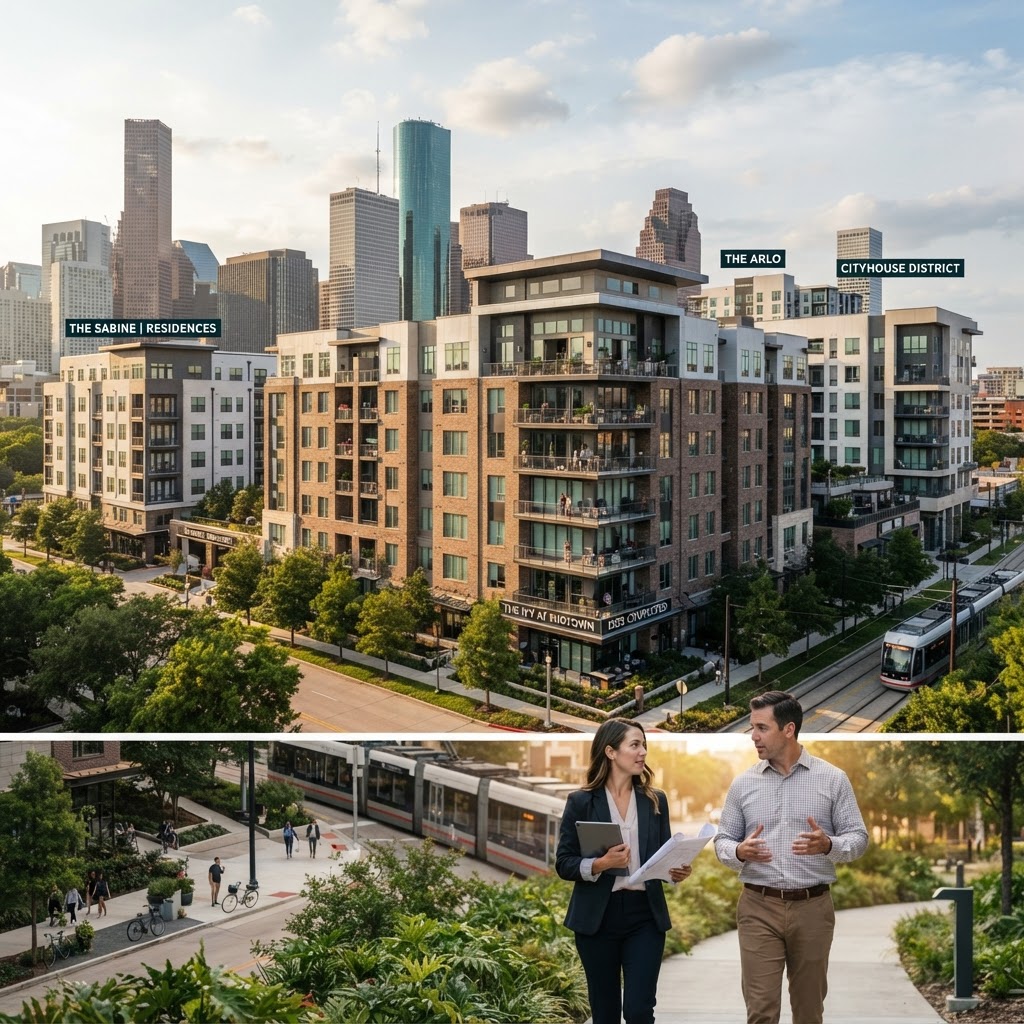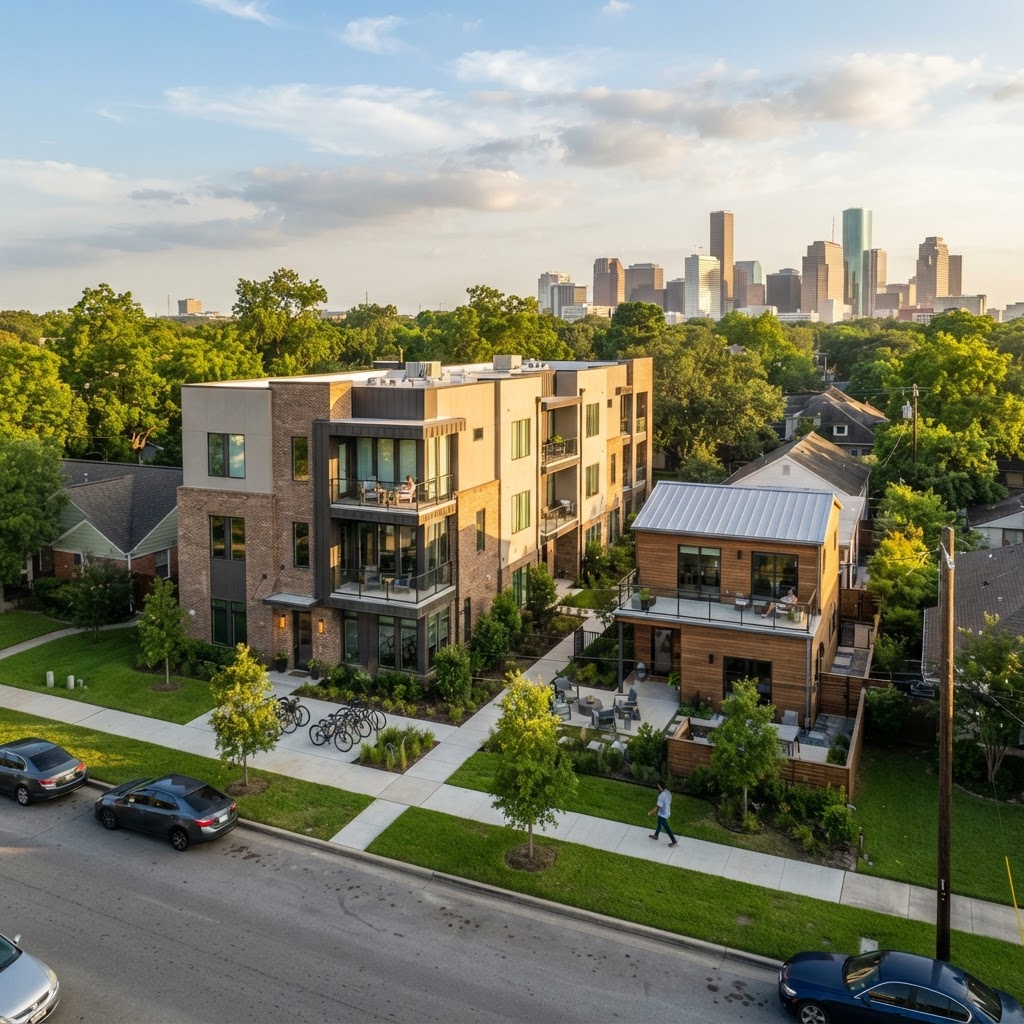
The Houston real estate market has long been defined by its sprawl and expansive single family lots. However, as we move through 2027, the narrative of the Bayou City is shifting toward intensification. Land values in prime areas continue to climb, and for the savvy investor, the path to sustained cash flow is no longer just about acquiring more land. It is about maximizing the vertical and footprint utility of the dirt you already own. Accessory Dwelling Units, or ADUs, have moved from a niche architectural trend to a cornerstone of modern portfolio strategy.
With the median sales price for single family homes in Houston hovering around 345,000 dollars and inventory levels stabilizing near 3.8 months, investors are looking for ways to extract higher yields from existing assets. Properties that once sat on the periphery of profitability are now being transformed into income engines through the addition of garage apartments, carriage houses, and detached studios. As your advisor, I look at the market through the lens of long term utility. If you own property in high demand corridors, you are sitting on an untapped revenue stream that could fundamentally change your internal rate of return.
The Regulatory Evolution: Houston's New Density Reality
For years, Houston was viewed as a city resistant to density, but the regulatory environment shifted significantly throughout 2026. The city council implemented updated ordinances that simplify the approval process for detached secondary structures. These changes were designed to address the housing shortage by allowing homeowners to utilize their backyards more effectively. For investors, this is a green light to increase density without needing to rezone or subdivide.
Previously, complex setbacks and parking requirements made ADUs a logistical nightmare. Today, the code is much more permissive regarding secondary units on standard residential lots. Whether you are looking at a teardown in The Heights or a large lot in Memorial, the administrative hurdles have been lowered. We are seeing a move toward streamlined permitting for projects under 800 square feet, which is the sweet spot for a standard one bedroom or studio layout.
Understanding these laws is critical. Investors should Explore Houston neighborhoods to see where these ordinances are most impactful. Because Houston lacks traditional citywide zoning, the focus remains on deed restrictions and specific city ordinances. It is vital to confirm that your specific property does not have restrictive covenants that supersede city code. I regularly help my clients navigate these nuances, ensuring that a project remains compliant from the foundation pour to the final certificate of occupancy.
Financial Feasibility: Garage Conversions vs. New Builds
When analyzing the financial feasibility of an ADU, investors must weigh the cost of a garage conversion against a purpose built detached structure. A garage conversion is typically the lower cost entry point, ranging from 150 dollars to 220 dollars per square foot, depending on the level of finishes. Since the slab and framing are already in place, the path to rent readiness is shorter. However, you lose the parking utility, which can be a drawback in car centric neighborhoods.
On the other hand, a new build detached ADU offers superior design flexibility and potential for higher appreciation. While new construction costs in Houston currently range from 250 dollars to 350 dollars per square foot, the long term value added to the primary property is often greater. A detached unit provides privacy, which is a major selling point for tenants. In neighborhoods like West University Place or Bellaire, where land is scarce and expensive, an ADU can add 50,000 dollars to 100,000 dollars in appraised value to the total property footprint.
Tax implications also play a role. While an ADU increases your property tax base, the rental income generated often offsets this increase multiple times over. I advocate for a thorough cost benefit analysis before breaking ground. We look at the delta between construction costs and projected monthly rent. If a project does not hit a 7 percent to 9 percent capitalization rate, we reevaluate the design or the site selection. You can Book an investor strategy call to run these numbers on your current portfolio.
Designing for the Houston Tenant Profile
The Houston rental market is heavily influenced by its massive medical district and expanding corporate footprint. The demand for housing is not just coming from long term families but from traveling nurses, medical residents, and corporate consultants on six month assignments. These tenants are not looking for large yards or excessive square footage. They are looking for high speed internet, proximity to transit hubs, and modern, low maintenance finishes.
When configuring your floor plan, prioritize natural light and open concepts. Even in a small footprint of 500 to 600 square feet, you can create a feeling of spaciousness by using tall ceilings and smart storage solutions. High end finishes like quartz countertops, stainless steel appliances, and luxury vinyl plank flooring are no longer optional in competitive markets like Montrose or River Oaks. These materials hold up well under tenant turnover and command a premium rental rate.
Do not overlook the importance of outdoor space. Even a small private patio can elevate a unit from a basic studio to a highly desirable retreat. If you are targeting the medical workforce, ensure that the unit is furnished. Furnished rentals often command a 20 percent to 30 percent premium over unfurnished units. By tailoring the design to the specific demographic of your neighborhood, you minimize vacancy periods and maximize the rent potential. See Houston investor FAQs for more insights on tenant selection.
Managing Construction Risk and Permitting
Construction risk is the number one killer of investor ROI. In Houston, the permitting process is straightforward if you have the right documentation, but it can be delayed by incomplete architectural plans or failing to account for utility submetering. The biggest mistake I see investors make is failing to vet their general contractor thoroughly. In a city as busy as ours, the best crews are often booked months in advance.
You need a team that understands the specific building codes for secondary units, including energy efficiency standards. I recommend building a contingency budget of 10 percent to 15 percent into your pro forma. This buffer accounts for potential surprises like foundation repairs or unexpected electrical panel upgrades. Always ensure that your contractor is licensed and carries proper liability insurance, as you do not want to be held responsible for site accidents.
Managing the project requires frequent, on site inspections. If you are not local or do not have the bandwidth to manage day to day construction, consider hiring a project manager or a GC who provides digital progress updates. Transparency in the billing process is just as important as the physical build. Never release the final payment until you have signed off on the final punch list and the city has issued the certificate of occupancy. Taking shortcuts on the front end will only lead to expensive maintenance issues down the road.
Property Management: Long Term vs. Mid Term Rentals
The decision between long term leasing and mid term furnished rentals depends on your goals for liquidity and active management. Long term rentals are the gold standard for passive income. You sign a twelve month lease, collect the rent, and deal with maintenance only when necessary. This is ideal for investors who want a hands off experience. However, it often caps your rental upside at current market rates.
Mid term rentals, which typically cater to 30 to 90 day stays, offer significantly higher revenue potential in Houston. Our proximity to the Texas Medical Center makes the mid term strategy particularly lucrative. A well located ADU can generate double the monthly income of a long term rental if managed as a corporate housing unit. The tradeoff is higher management intensity, as you will need to handle professional cleaning, inventory restocking, and guest communication.
Tax benefits are another factor to consider. Both models offer write offs for mortgage interest, property taxes, and depreciation. However, owning and operating rental property in Texas remains favorable due to the lack of a state income tax. I advise my clients to look at their current tax position and determine if they have the time to commit to the mid term model. If you are building a portfolio for retirement, the stability of long term tenants might be the better play. If you are looking to accelerate wealth growth, the mid term model is hard to ignore.
Portfolio Integration: Identifying Prime Assets
Not every property is a candidate for an ADU. When I work with investors to evaluate their current holdings, I look for three specific indicators. First, I look at the lot size and the positioning of the primary structure. If the home is pushed to the front or back of the lot, it leaves a perfect pocket for a detached unit with separate access. Second, I look at the current utility infrastructure. An ADU is significantly more affordable if you do not have to trench across the entire yard to reach the main sewer or electrical line.
Third, I look at neighborhood appreciation trends. In areas like River Oaks or the inner loop, the land value is often significantly higher than the improvement value. Adding an ADU allows you to monetize that land value without the massive capital expenditure of a full teardown and rebuild. We focus on properties where the rent boost from the ADU will result in immediate cash flow positive operations.
For many of my clients, the goal is to create a small rental compound. Imagine owning a primary home with two ADUs in the back. You have tripled your income potential on a single tax parcel. This is a powerful way to hedge against market volatility and build long term wealth in the Houston market. Whether you are looking to acquire a new property or densify your current one, we look at the full picture of your investment health.
Ready to talk strategy? Book your free consultation or get your instant home valuation.
Listen on the Go
The Chambers Review Podcast
This week: The Micro-Apartment Shift: Why Houston Investors Are Converting Underutilized Office Space into High-Yield Urban Rentals
Explore how Houston investors are successfully converting underutilized office space into high-yield micro-apartments. Learn the strategy...
Listen to the Latest EpisodeReady to Invest Smart?
Book an investor strategy call
By Nick Chambers, Broker Associate, Nick Chambers, Broker Associate, Realty Of America (ROA) · Realty of America