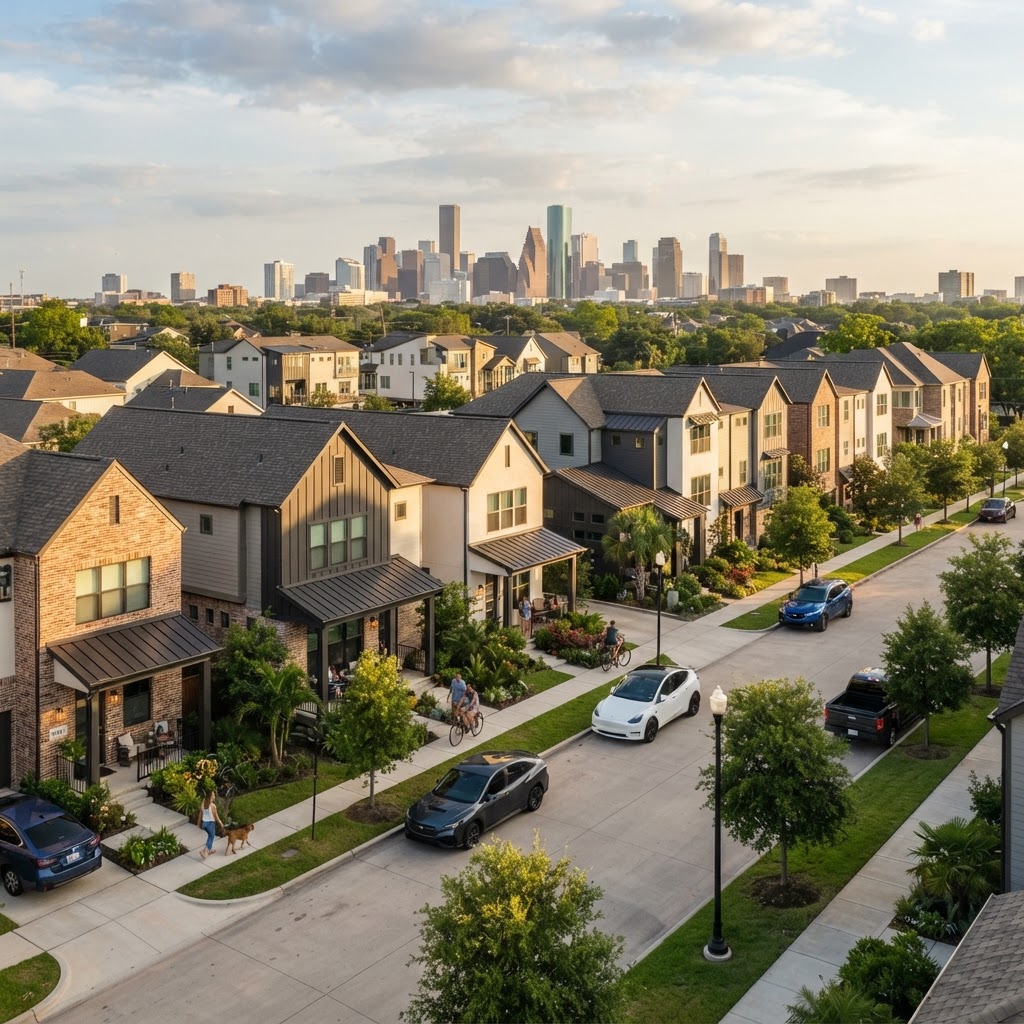
The Houston residential landscape is in the midst of a profound pivot. As we look toward 2028, the traditional definition of the American Dream is evolving from individual homeownership toward a sophisticated model of professionalized, high quality rental communities. For the forward thinking investor, the Houston metro area has transitioned from a speculative growth zone into a mature institutional market. While many focus on the nuances of buying and selling, the true opportunity lies in understanding the structural shift in supply and demand. By examining how developers and institutional funds are positioning themselves, individual investors can refine their own strategies to secure long term yields. To see how these trends affect specific submarkets, read our latest analysis on Houston neighborhood growth patterns. The current market data reveals a compelling story. With median residential valuations hovering near 365,000 dollars and inventory levels frequently tightening to less than 3.5 months of supply, the competition for existing stock is intensifying. This environment has cultivated a permanent rental class, composed of career professionals and families who prize lifestyle flexibility over the maintenance obligations inherent in traditional homeownership. This is where build to rent (BTR) communities fill a vital gap. Unlike traditional apartments, BTR developments offer the suburban aesthetic of private yards, garage parking, and dedicated amenities, effectively mirroring the experience of living in exclusive areas like Memorial or River Oaks without the initial capital commitment. Investors looking for a broader overview of the local landscape should visit our Houston real estate resource center. The shift toward horizontal multi family living is not merely a design preference. It is a calculated response to the persistent supply deficit in prime corridors. While central districts like West University Place or The Heights face significant barriers to new construction due to land costs and density restrictions, outer rings in Harris and Fort Bend counties are seeing rapid absorption of purpose built rental inventory. These communities operate as institutional grade assets, allowing for centralized management and improved operational efficiencies. By grouping properties into cohesive neighborhoods, developers are creating environments that retain value and appeal to a discerning demographic. Navigating the legalities of land acquisition in Houston requires a departure from traditional zoning concepts. Because Houston does not employ formal municipal zoning, success depends on an intimate understanding of deed restrictions, municipal utility district requirements, and regional drainage standards. Investors must apply a forensic approach to site selection, prioritizing corridors where infrastructure, such as utility extensions and road connectivity, is actively keeping pace with, or even exceeding, residential growth. As the region matures, the integration of smart drainage solutions and flood mitigation technology has become a cornerstone of project viability. Developing in the 2028 landscape requires early engagement with civil engineers who understand the current environmental mandate. Investors who prioritize land with superior drainage capacity are positioning their assets to weather future shifts in regional regulation. This level of diligence ensures that projects maintain long term utility and investor appeal. Success in this market is rarely accidental. It is the product of analyzing macro economic trends and applying them to local micro market conditions. Whether you are scaling an existing portfolio or exploring your first acquisition in a rental community, the strategy remains the same. You must identify where the labor force is moving and anticipate the housing typology they will require. By focusing on professional management, location durability, and structural quality, investors can mitigate risks associated with broader market volatility. If you are ready to evaluate your own investment thesis, consider the specific metrics that define success in this cycle. From yield compression to cap rate expectations, the 2028 market demands data driven decisions. Explore our data driven market reports for a deep dive into the numbers shaping the Houston economy. Ultimately, the build to rent sector in Houston serves as a barometer for the broader national market. It highlights the tension between land scarcity and the growing demand for quality rental housing. As an investor, your ability to navigate this tension will determine the sustainability of your returns. By adopting a long term perspective and prioritizing projects that offer tangible value to the tenant, you can build a resilient portfolio capable of performing throughout the next decade. By Nick Chambers, Broker Associate, Nick Chambers, Broker Associate, Realty Of America (ROA) · Realty of America. Ready to discuss your 2028 investment strategy? Reach out to our team at Realty of America to schedule a consultation regarding your next acquisition. We provide the data, local insights, and institutional knowledge necessary to help you navigate the Houston market with confidence.
Explore More from Nick Chambers, Broker Associate, Realty Of America (ROA)
Houston Home Selling Strategy
Strategic pricing & net-proceeds analysis
Learn moreHouston Buyer Representation
Off-market access & expert negotiation
Learn moreHouston Investment Properties
Cap rate analysis & portfolio roadmapping
Learn moreHouston Relocation Services
Corporate, medical & executive moves
Learn moreChambers Institute Classes
CE courses & buyer/seller workshops
Learn moreRelated Articles

Houston Portfolio Diversification: The 2027 Investor Yield Playbook
Discover why East Downtown is the premier micro market for 2027 investors. Learn how institutional infrastructure growth drives yields for smart portfolio holders.
Read article
Houston BRRRR Strategy: Scaling Rental Portfolios in 2027
Discover how 2028 Houston investors are using industrial conversion strategies to boost rental yields by 2 to 4 percent while hedging against residential market volatility.
Read article
Houston Cash Flow Playbook: Optimizing Rental Yields in 2026
Discover how to optimize your Houston rental portfolio in 2026 by focusing on micro market analysis, geographic arbitrage, and operational efficiency for high yield results.
Read article