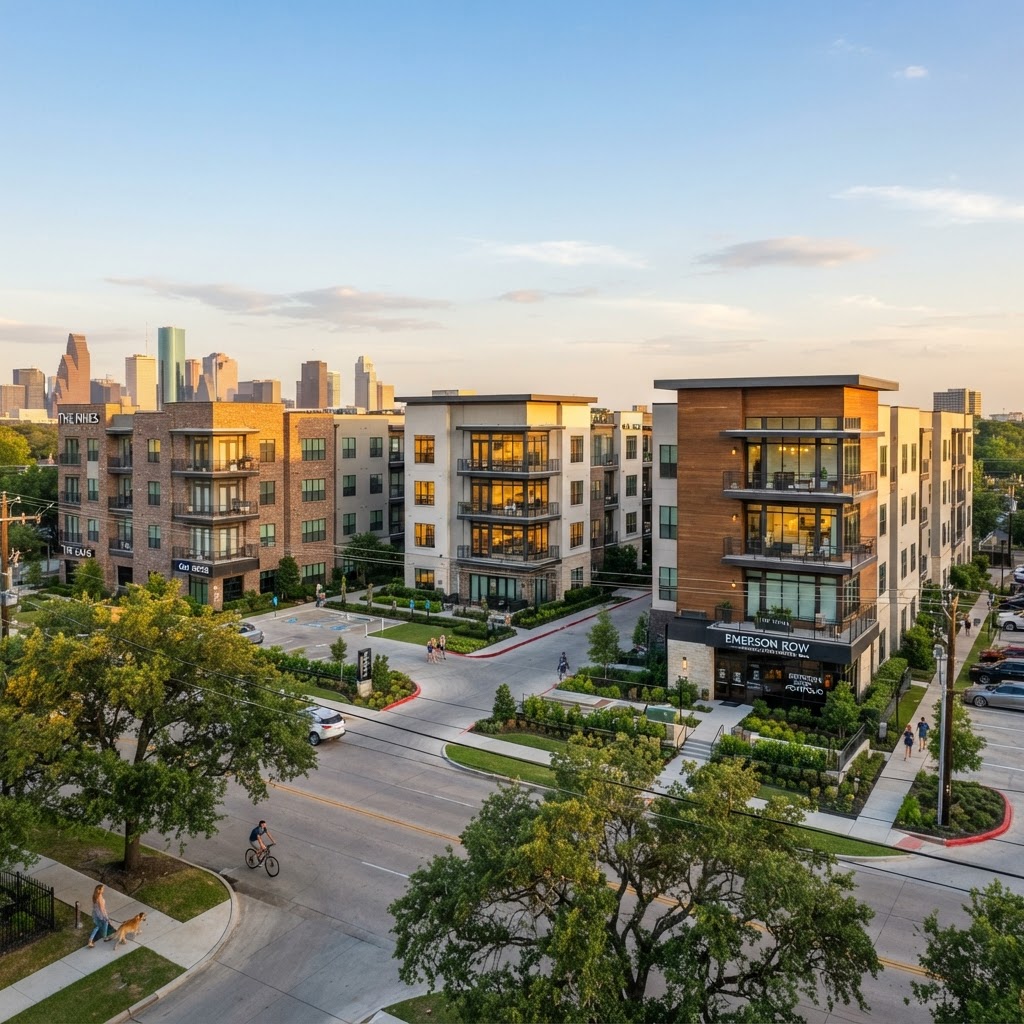
The landscape for real estate investment in the greater Houston area is undergoing a significant transformation as we look toward the 2028 fiscal horizon. While traditional single family residential homes have long been the staple of local portfolios, the emergence of the industrial flex space conversion model is now providing a sophisticated alternative for investors seeking to mitigate risk while maximizing net operating income. This approach involves identifying underutilized light industrial facilities and retrofitting them for residential or hybrid live work utility. By leveraging existing infrastructure, investors are effectively cutting site preparation costs and positioning their capital in corridors defined by future transit growth. ## Structural Advantages in the 2028 Market. Many investors are pivoting away from the hyper competitive suburban market because they find the barrier to entry for quality assets is becoming increasingly prohibitive. Bidding wars on standard properties often drive prices above the actual value of the underlying land. In contrast, acquiring industrial flex properties allows for a more controlled cost environment. These structures are built with steel and concrete, providing a robust shell that requires less external maintenance than wood frame residential construction. Furthermore, the existing utility frameworks in these zones are designed to handle heavy loads, which means the plumbing and electrical upgrades necessary for residential habitation are often less expensive than building a new structure from the ground up. ## Engineering Efficiency and Zoning Intelligence. Assessing a conversion project requires a shift in mindset from standard valuation to an engineering study. You are not just buying a property. You are evaluating the capacity of the building to support new density. Priority must be given to buildings that allow for flexible interior layouts, such as open lofts or modular living units. It is essential to conduct a deep analysis of current city zoning shifts to ensure your vision aligns with long term municipal goals for urban density. Investors should consult our comprehensive guide on Zoning Trends at https://realtyofamerica.com/zoning-shifts-2027 to understand how shifting urban planning will impact your specific project site. This proactive research ensures you avoid costly regulatory hurdles before capital is deployed. ## Financial Performance and Yield Expectations. Data indicates that investors who transition to these hybrid models are achieving yield improvements of 2 to 4 percent compared to standard residential rental strategies. The economic logic is simple. You reduce acquisition and construction overhead by reusing a foundation, and you meet a specific market demand for efficiency in areas currently undersupplied with modern residential options. By targeting professionals who value proximity to transit and industrial aesthetic, you are creating a product that caters to a growing segment of the Houston workforce. If you are curious about the broader financial trends and the mechanics of these asset classes, our resource center on the Houston Commercial Real Estate Outlook provides critical data at https://realtyofamerica.com/commercial-outlook-2026. ## Navigating Market Volatility with Defensive Assets. Houston remains a market defined by corporate diversification. As companies look to consolidate their footprint, demand for flexible environments will only increase. By converting industrial space, you create a defensive asset class that serves as a hedge against broader residential market cooling. You are building a unique niche that stands apart from standard housing cycles. Success requires a strategic partnership with teams who understand the intersection of commercial and residential real estate, as the compliance landscape for these projects is extensive and requires high attention to detail. Moving away from the crowded residential sector reduces your overall risk and increases your capture of premium rental rates. As we move into 2028, the investors who prioritize engineering efficiency and deep geographic analysis will be the ones setting the standard for portfolio growth. By executing these conversions with precision, you secure a foundation for wealth that is resistant to market shifts. The future of Houston investment is not just about ownership, but about the strategic repurposing of space to meet the evolving demands of our city. By Nick Chambers, Broker Associate, Nick Chambers, Broker Associate, Realty Of America (ROA) · Realty of America. If you are ready to explore investment opportunities or need a detailed market analysis for your 2028 portfolio, contact our team at Realty of America today. We provide data driven support to help you achieve your long term wealth goals.
Explore More from Nick Chambers, Broker Associate, Realty Of America (ROA)
Houston Home Selling Strategy
Strategic pricing & net-proceeds analysis
Learn moreHouston Buyer Representation
Off-market access & expert negotiation
Learn moreHouston Investment Properties
Cap rate analysis & portfolio roadmapping
Learn moreHouston Relocation Services
Corporate, medical & executive moves
Learn moreChambers Institute Classes
CE courses & buyer/seller workshops
Learn moreRelated Articles

Houston Cash Flow Playbook: Optimizing Rental Yields in 2026
Discover how to optimize your Houston rental portfolio in 2026 by focusing on micro market analysis, geographic arbitrage, and operational efficiency for high yield results.
Read article
Houston Build-to-Rent: A 2028 Strategic Investor Roadmap
Explore the strategic evolution of Houston's build to rent market in 2028. Learn how to navigate land acquisition, infrastructure trends, and the permanent renter class.
Read article
Houston Cash Flow Playbook: 2028 Rental Yield Forecasting
Explore specialized 2028 investment strategies in Houston. Learn how industrial logistics growth and the mid term medical rental shift drive consistent cash flow.
Read article