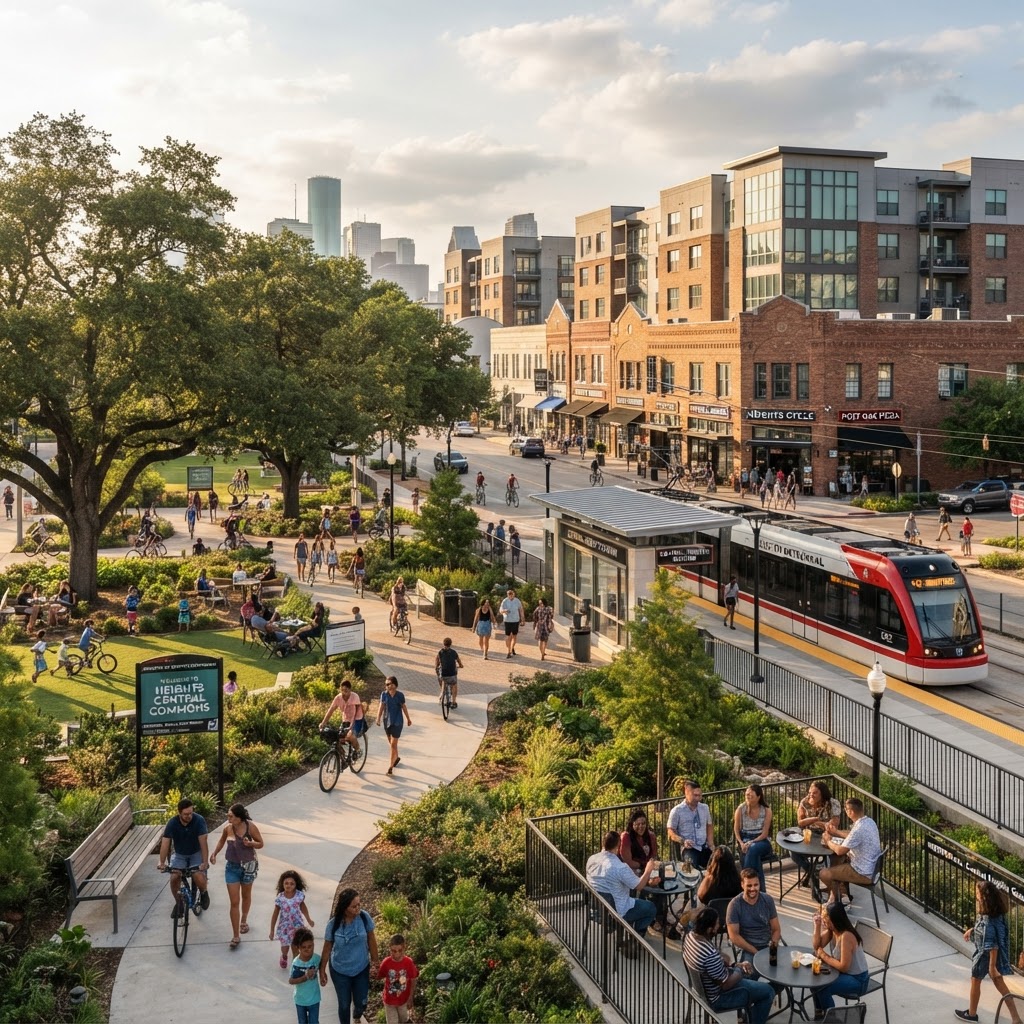
As Houston evolves beyond the traditional commuter city model, the influence of transit infrastructure on property values is becoming a focal point for savvy investors. While highway expansion dominated the past, the current market is defined by the integration of METRONext initiatives. For those navigating the Houston real estate landscape, understanding how transit oriented development shapes long term equity is vital. This guide explores the changing dynamics of accessibility and property valuation in the city today. By shifting the perspective from simple car dependency to integrated connectivity, we can identify unique opportunities for homeowners and investors alike. The concept of the transit oriented lifestyle is maturing. It involves more than just proximity to a bus line. It creates a localized ecosystem where the walkability of a neighborhood influences both daily convenience and asset performance. When evaluating a property, it is essential to consider the planned infrastructure overlay, as these corridors serve as catalysts for future growth. Property values within close proximity to major METRONext hubs often reflect a higher premium compared to those in purely car dependent zones. This trend is not merely about transportation, but about how city planning directs the flow of capital into specific residential enclaves. Investors who prioritize transit accessibility often find that these properties offer a hedge against the volatility of broader market fluctuations. The city core, including the Medical Center and the Uptown district, continues to anchor this development. As infrastructure projects like the University Line progress, the ripple effect on surrounding property values is becoming clear. For a buyer, this means looking beyond the current layout of a neighborhood. It requires an analysis of how the 2027 transit network will serve the area. The integration of Bus Rapid Transit and expanded light rail connectivity is effectively shrinking the perceived distance between residential neighborhoods and employment centers. This compression of distance changes the desirability of specific locations. Properties that were once considered peripheral are now becoming prime assets due to their improved access to major job nodes. When you are scouting for your next investment or residence, consider the long term impact of these infrastructure investments. A property situated near a transit node today may benefit from years of appreciation as the city continues to densify. This strategic approach to real estate selection is becoming the standard for modern professionals. Understanding the nuances of these transit zones can provide a distinct advantage in a competitive market. Beyond the immediate impact on home values, these developments foster a different type of lifestyle. The shift toward walkable neighborhoods allows for a more integrated living experience. As Houston continues to refine its urban footprint, the intersection of transit accessibility and real estate will remain a primary driver of value. By focusing on areas poised for enhanced connectivity, buyers can align their personal financial goals with the broader trajectory of the city. The data suggests that properties within half a mile of these major infrastructure investments see consistent appreciation, often outperforming the city average. This growth is a reflection of the increasing demand for convenience and connectivity in the modern era. As we look ahead, the role of METRONext will only expand, further cementing the link between transit efficiency and property performance. For those planning a move or an investment, staying informed about these developments is essential. The market rewards those who act with foresight, identifying these high potential areas before they reach their full valuation potential. It is time to look at the Houston map through the lens of connectivity. By prioritizing neighborhoods that align with the future of transit, you are not just buying a home. You are securing a position in the future of the city. By Nick Chambers, Broker Associate, Nick Chambers, Broker Associate, Realty Of America (ROA) · Realty of America. Ready to find your next home or investment property in a high growth transit corridor? Contact Nick Chambers at Realty of America today to receive a personalized analysis of current market opportunities.
Explore More from Nick Chambers, Broker Associate, Realty Of America (ROA)
Houston Home Selling Strategy
Strategic pricing & net-proceeds analysis
Learn moreHouston Buyer Representation
Off-market access & expert negotiation
Learn moreHouston Investment Properties
Cap rate analysis & portfolio roadmapping
Learn moreHouston Relocation Services
Corporate, medical & executive moves
Learn moreChambers Institute Classes
CE courses & buyer/seller workshops
Learn moreRelated Articles

Houston’s Micro-Market Shift: Top Up-and-Coming Neighborhoods for 2027
Discover how to track infrastructure growth and commercial development to identify Houston's next high-growth micro-markets for 2027 real estate investing.
Read article
Houston’s Hidden Gems: 2026 Neighborhood Lifestyle Growth Report
Explore the 2026 shift in Houston real estate where peripheral neighborhoods and innovative suburban hubs are driving the next wave of lifestyle wealth and property appreciation.
Read article
Hidden Gems: Top Houston Neighborhoods for Commuter Efficiency 2026
Discover how to identify high-growth Houston neighborhoods by analyzing long-term infrastructure trends, transit connectivity, and regional logistics for superior equity outcomes.
Read article