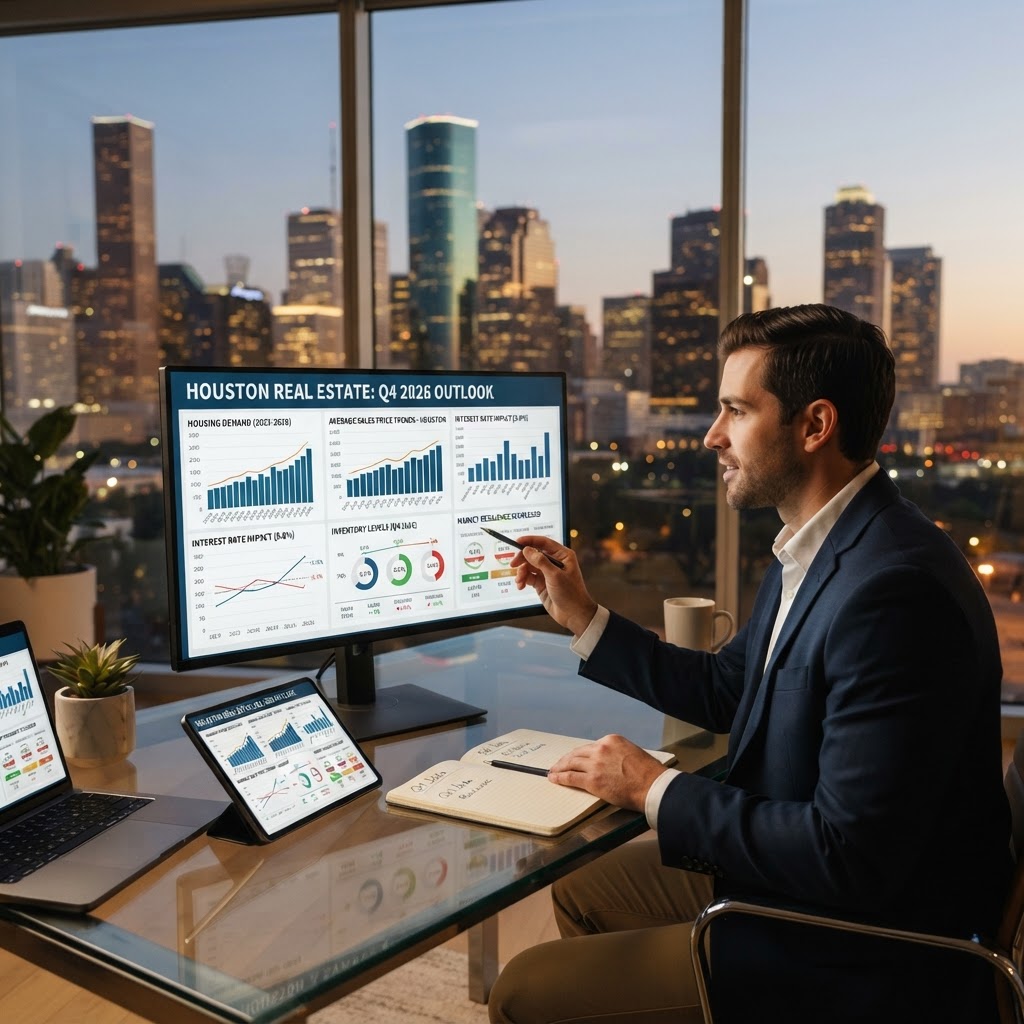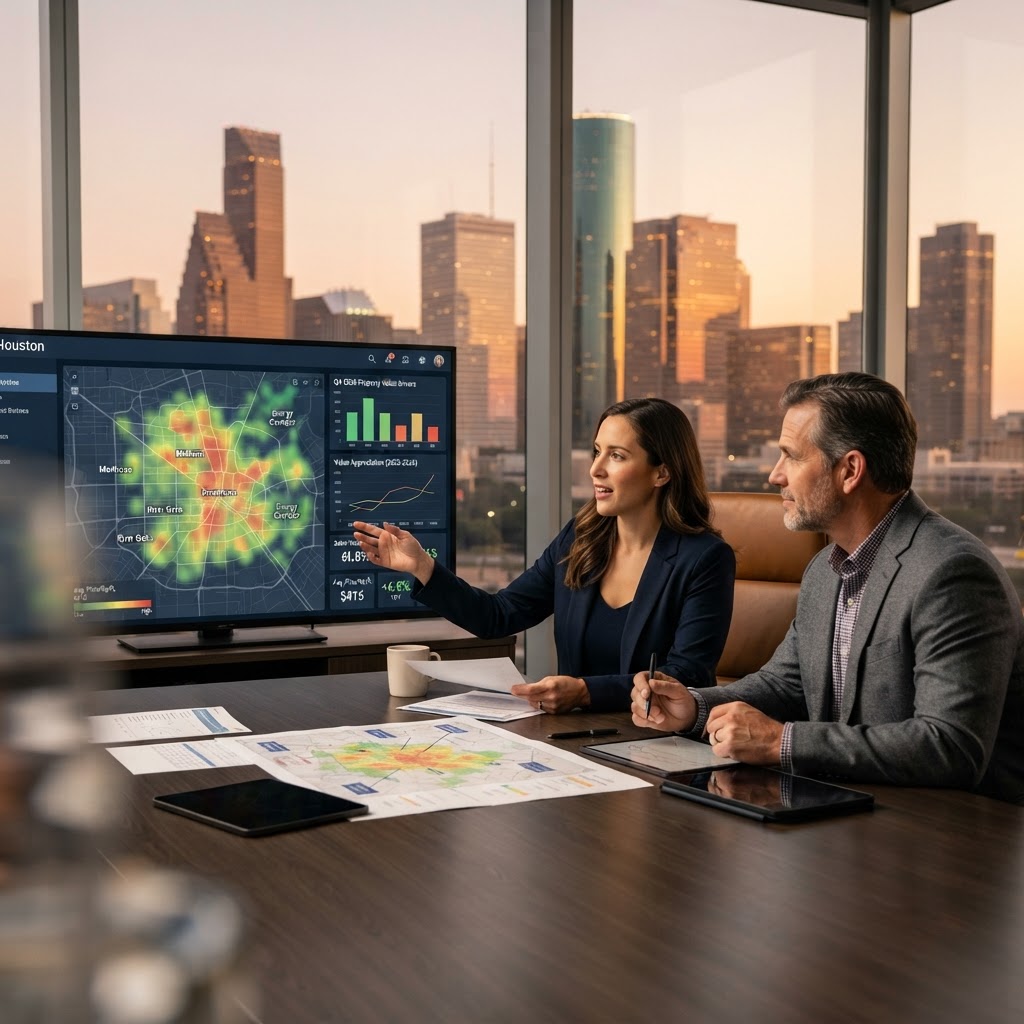
The Houston residential market is currently experiencing a unique convergence of factors that go beyond simple proximity to job centers. While the Texas Medical Center remains the largest economic anchor in our region, the way professionals choose to inhabit space around this hub has shifted significantly. We are seeing a move away from the basic demand for proximity toward a desire for structural resilience and adaptive functionality. This is a critical pivot point for those looking to understand the future of inner loop property values. The modern medical professional is not merely looking for a bedroom near their workspace. They require an environment that supports high intensity analytical work, digital privacy, and seamless home automation. As we examine the data for late 2026, it becomes clear that properties lacking modern infrastructure are falling behind their counterparts. Investors who understand this shift can find significant value in upgrading older inventory to meet these rigorous standards.
The Infrastructure Shift in Residential Valuation
The definition of a premium property in Houston has expanded to include its digital capacity. Researchers and clinicians often manage massive datasets that require low latency and high bandwidth from their private residences. Homes that offer certified fiber optic access and integrated climate management systems are seeing a measurable performance increase. We have tracked a valuation difference of 10 to 15 percent between homes that feature these upgrades and those that remain unequipped. This is not a fleeting trend. It is a fundamental change in the residential utility model for our region.
When evaluating neighborhoods such as West University Place or Bellaire, the physical structure of the home is only half the story. The internal digital backbone is now just as important as the foundation. For those interested in deeper insights, our Chambers Institute data provides a comprehensive look at these valuation metrics, which you can explore further in our series on high performance residential assets.
Rethinking Proximity and Transit Resilience
Historically, the investment strategy for the medical district was straightforward. Buy as close as possible to the core. This approach is no longer the most effective way to identify appreciation potential. Our latest research indicates that value is shifting toward pockets of urban infill that leverage modern transit connections. While the medical district continues to grow, the ability to move efficiently between home and campus has become a defining factor for long term asset performance.
Local government initiatives regarding roadway modernization and advanced drainage infrastructure are now better indicators of future appreciation than simple geography. Investors should look for areas where there is a tangible commitment to resilience. These transit nodes act as a buffer against market volatility. By shifting focus toward these specific corridors, we can identify residential assets that are primed for growth. This methodology is detailed in our current Houston Neighborhood Analysis report, which is available for review through our client portal.
Adapting Layouts for the Hybrid Professional
The demographic profile of the local biomedical workforce is evolving. We are witnessing a clear preference for flexible layouts that facilitate hybrid work models. The traditional home layout with formal living and dining areas is being replaced by demand for multipurpose spaces that allow for high intensity research sessions or virtual consultations. Investors who are renovating existing assets have a significant advantage here. By reconfiguring floor plans to include dedicated workspaces with professional grade soundproofing, owners can secure stable, long term lease agreements. This reduces turnover and increases the overall yield of the property.
It is no longer enough to offer generic housing. The current market rewards owners who cater to the utility needs of the biomedical sector. Whether through smart home integration or structural layout changes, the path to value creation is now centered on professional utility. For those planning to optimize a portfolio or seeking to purchase, our Buyer Strategy resources provide a clear roadmap for navigating these specific requirements.
The Long Term Outlook for Houston Real Estate
As we look toward the remainder of the year and into the future, the integration of data and physical space will only accelerate. The Houston market is resilient, but it is also changing. Investors must be prepared to look at property with a more technical lens. By understanding the intersection of digital requirements and transit oriented development, we can ensure that our strategies are aligned with the actual needs of the people who drive the local economy.
We encourage all clients to review their current holdings against these shifting benchmarks. The potential for growth remains high for those who are willing to adapt and prioritize these new standards of value. If you are looking to position your assets for the coming years, our team is here to assist with precise, data driven insights.
By Nick Chambers, Broker Associate, Nick Chambers, Broker Associate, Realty Of America (ROA) · Realty of America
Ready to navigate the Houston market with data-backed precision?
Contact our team at Realty of America today to discuss your real estate investment or relocation strategy. We specialize in identifying high growth corridors and helping our clients optimize their property valuations for the modern professional. Visit our services page to request our white papers on technology and real estate or to schedule a consultation with a member of our firm.